Lake Manyara National Park – Tanzania’s Scenic Wildlife Paradise
Overview
Lake Manyara National Park is one of Tanzania’s most diverse and scenic national parks, located in northern Tanzania along the Great Rift Valley. The park is famous for its beautiful lake, dramatic escarpments, groundwater forests, open grasslands and diverse wildlife.
Although it is one of Tanzania’s smaller national parks, Lake Manyara offers a remarkable variety of landscapes and animals within a relatively compact area. It is an excellent destination for travelers exploring the Northern Safari Circuit, especially when combined with Tarangire, Ngorongoro Crater and Serengeti.
One of its most famous attractions is the tree-climbing lion, although sightings are never guaranteed.
📍 Where Is Lake Manyara National Park?
Lake Manyara National Park is located in northern Tanzania, in Arusha Region, along the western edge of the Great Rift Valley.
The park is approximately:
- 120–130 km west of Arusha
- About 1.5–2 hours from Arusha, depending on road conditions and traffic
- Around 30 km from Mto wa Mbu
- Near the entrance to the Ngorongoro Conservation Area
Its location makes it a convenient stop on a Northern Tanzania safari.
A common safari route is:
Arusha → Tarangire → Lake Manyara → Ngorongoro → Serengeti
🗓️ When Was Lake Manyara National Park Established?
Lake Manyara was initially designated as a game reserve in 1951.
It was later established as a national park in 1960.
Today, it is managed by the Tanzania National Parks Authority (TANAPA).
📏 How Large Is Lake Manyara National Park?
Lake Manyara National Park covers approximately 330 km².
However, the size of the lake itself changes significantly depending on rainfall and season.
A large portion of the park consists of Lake Manyara, while the remaining area includes forests, woodland, grassland and Rift Valley landscapes.
This makes the park relatively small compared with Serengeti, but exceptionally diverse.
🌊 Lake Manyara
The lake is a shallow alkaline lake located at the bottom of the Great Rift Valley.
Its size and water level vary depending on rainfall and seasonal conditions.
The lake provides an important habitat for:
- Flamingos
- Hippos
- Waterbirds
- Migratory birds
- Fish
- Other aquatic species
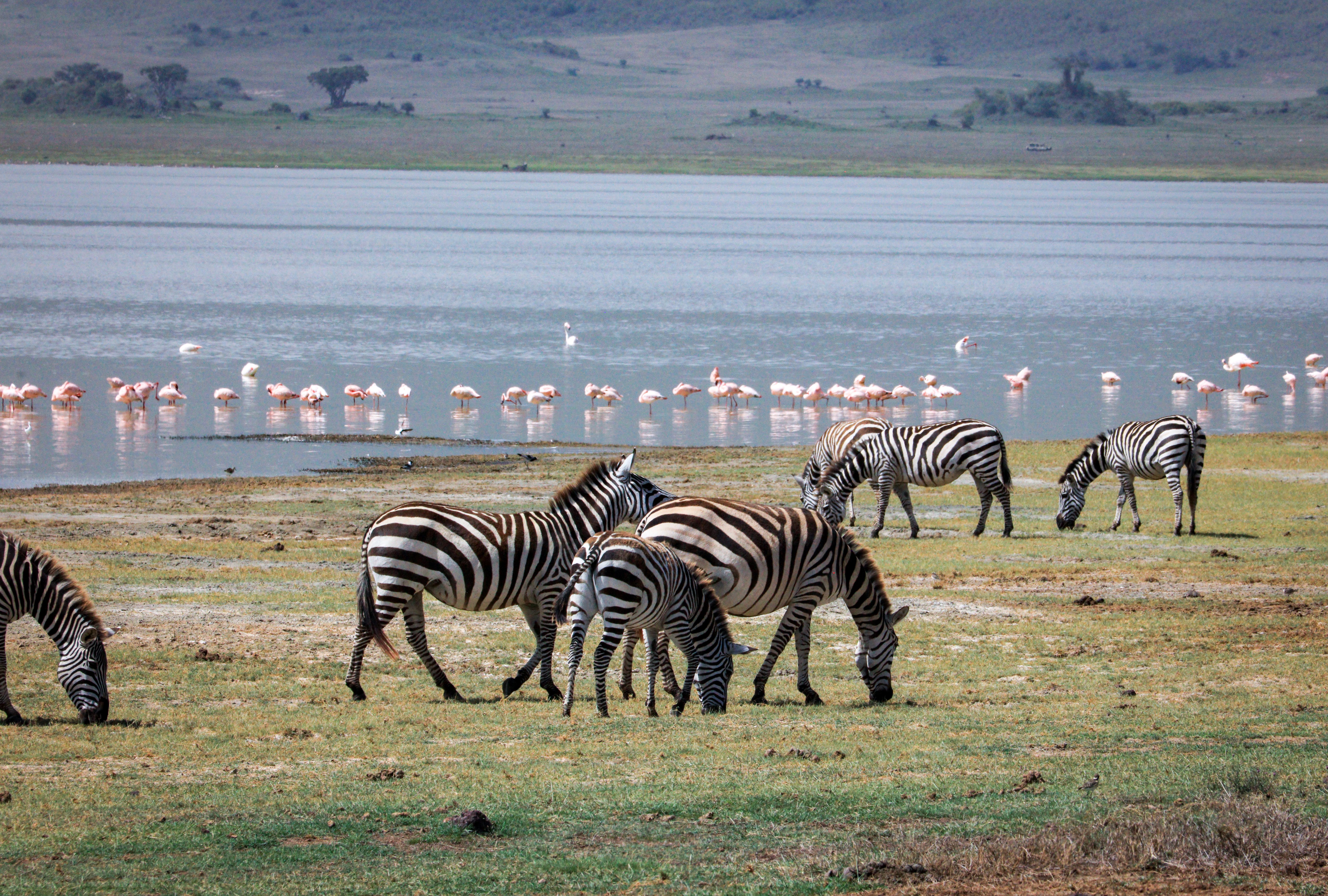
During suitable conditions, large numbers of flamingos can create a spectacular scene along the lake’s shores.
🦁 Wildlife in Lake Manyara
Lake Manyara National Park is home to a wide range of wildlife.
🦁 Tree-Climbing Lions
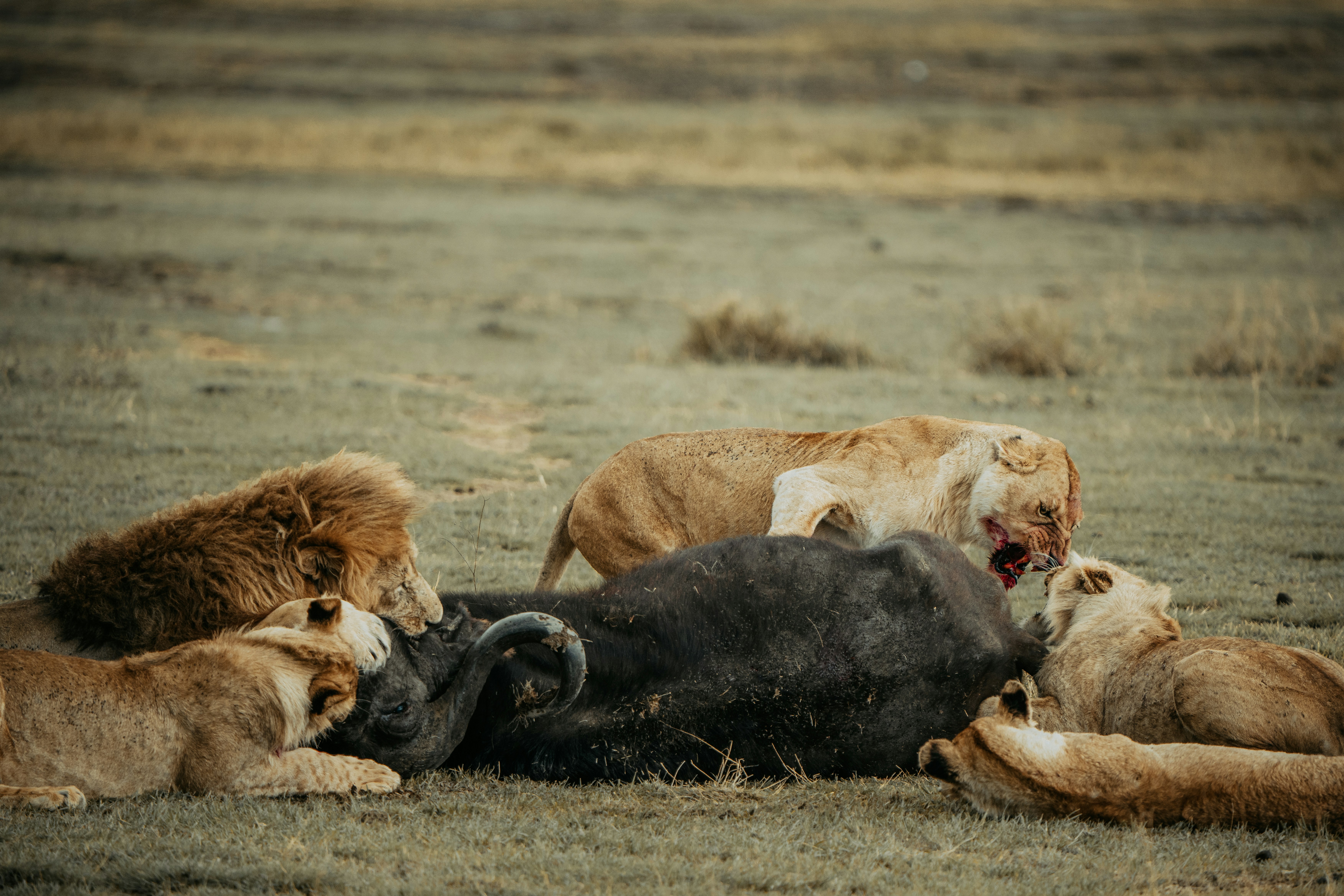
The park is particularly famous for lions that sometimes climb trees.
Seeing a lion resting on the branches of an acacia or other large tree can be one of the highlights of a Manyara safari.
However, tree-climbing behavior is not unique to Manyara, and lions may or may not climb during your visit.
🐘 Elephants
Elephants are one of Manyara’s major attractions.
They can often be seen moving through the forest, feeding on vegetation or crossing open areas.
The park has a long history of elephant conservation.
🦒 Giraffes
Giraffes are commonly seen in the park’s open woodland and grassland.
The combination of giraffes and the dramatic Rift Valley escarpment makes for excellent safari photography.
🦓 Zebras
Zebras can be seen grazing in the open grasslands.
They are often found together with wildebeest and other herbivores.
🦬 Buffalo
Large Cape buffalo can be found throughout the park, particularly around grasslands and water sources.
🦛 Hippos
Hippos are commonly associated with Lake Manyara’s aquatic environments.
Visitors can sometimes observe them resting in the water or emerging onto the shoreline.
🐒 Monkeys and Baboons
Manyara is particularly good for seeing primates.
Visitors may encounter:
- Olive baboons
- Vervet monkeys
- Blue monkeys
- Other forest-dwelling primates
The groundwater forest provides excellent habitat for these animals.
🐆 Other Wildlife
Other animals found in Lake Manyara National Park include:
- Leopards
- Hyenas
- Warthogs
- Impalas
- Waterbucks
- Dik-diks
- Bushbucks
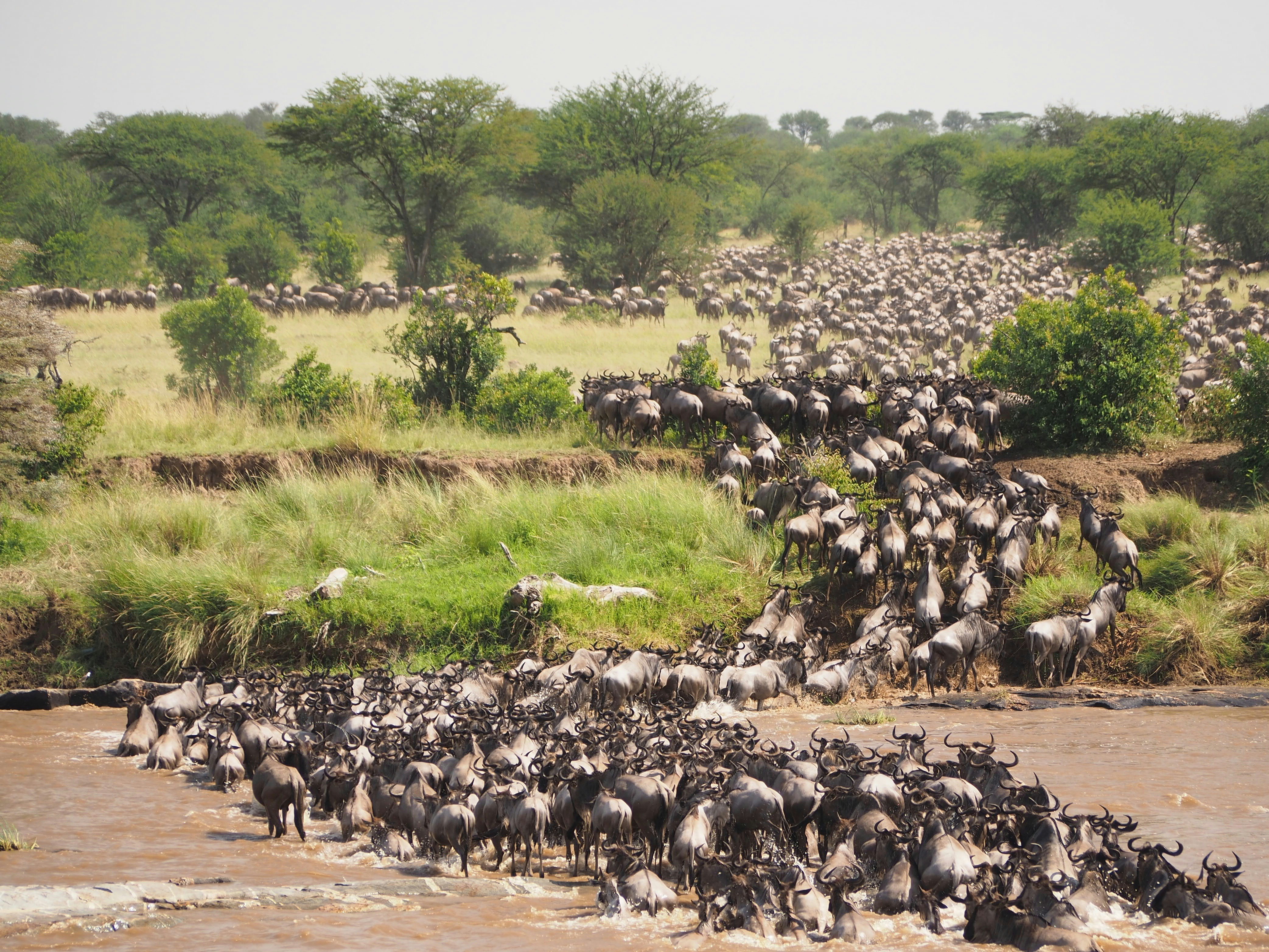
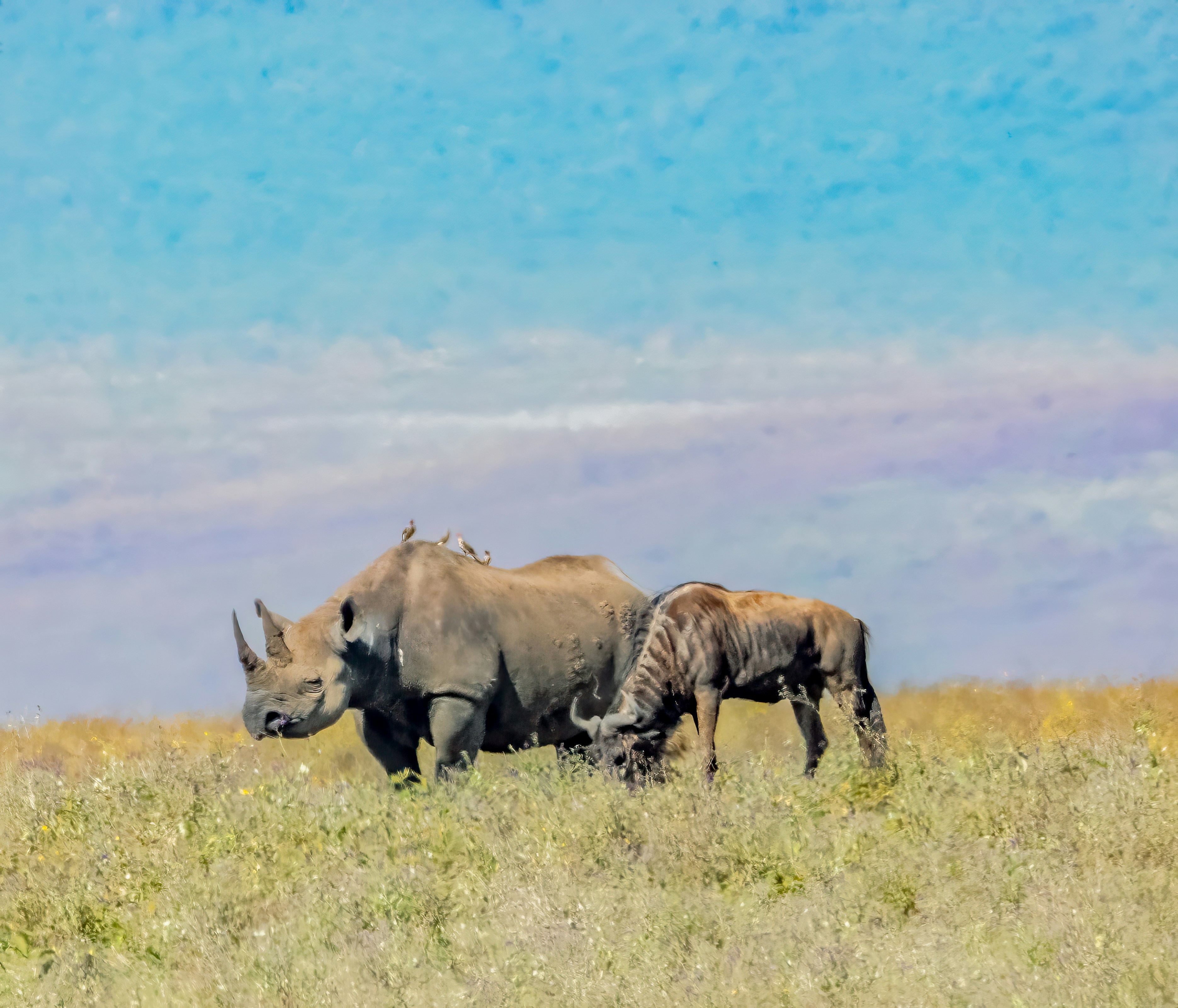
- Wildebeest
- Common eland
- Kirk’s dik-dik
- Mongooses
- Various smaller mammals
Leopards are present but are generally difficult to spot because they are elusive and spend much of their time hidden.
🦅 Birdlife
Lake Manyara is an excellent destination for birdwatching.
The park supports a large number of bird species, including both resident and migratory birds.
Visitors may see:
- Flamingos
- African fish eagles
- Marabou storks
- Sacred ibis
- Hadada ibis
- Herons
- Egrets
- Pelicans
- Hornbills
- Kingfishers
- Bee-eaters
- Crowned cranes
The combination of the lake, wetlands, forest and grasslands creates excellent bird habitats.
🌿 Landscapes of Lake Manyara
One of the park’s greatest strengths is the incredible variety of landscapes.
🌳 Groundwater Forest
The groundwater forest is one of Manyara’s most beautiful areas.
It is fed by underground water from the surrounding highlands and remains relatively green even during dry periods.
You may see elephants, monkeys, baboons and other wildlife here.
🌾 Open Grasslands
Open grasslands provide habitat for:
- Zebras
- Wildebeest
- Giraffes
- Buffalo
- Antelope
These areas also provide excellent opportunities for wildlife photography.
🌴 Acacia Woodland
The park contains areas of acacia woodland that provide food and shelter for numerous animals.
This is also one of the environments where visitors may encounter tree-climbing lions.
🏔️ Great Rift Valley Escarpment
The dramatic Rift Valley escarpment rises above the park and creates spectacular scenery.
It is one of the features that makes Manyara different from many other Tanzanian safari destinations.
🚙 Things to Do in Lake Manyara
🦁 Game Drives
The main activity is a guided game drive through the park.
Search for elephants, lions, giraffes, buffalo, zebras, hippos and many other animals.
🦅 Birdwatching
Explore the lake, forests and wetlands looking for resident and migratory birds.
🌳 Nature Experiences
Explore the different habitats of the park and learn about its ecology with your guide.
🚶 Walking Experiences
Depending on the specific location, operator and current park regulations, walking experiences may be available in designated areas.
🚲 Mto wa Mbu Experiences
Lake Manyara can easily be combined with cultural experiences around Mto wa Mbu, including local food, cycling and community visits.
🌅 Best Time to Visit
Lake Manyara can be visited throughout the year.
June – October
Generally dry conditions and good wildlife-viewing opportunities.
November – December
Short rains can bring fresh vegetation and beautiful green landscapes.
January – February
Often warm and relatively suitable for combining Manyara with other Northern Circuit destinations.
March – May
The long rains bring lush scenery and excellent birdwatching, although some roads may become more challenging.
🏕️ How Long Should You Stay?
For most travelers, one full day is enough to explore the main attractions of Lake Manyara National Park.
It works particularly well as part of a multi-day safari:
4 Days Northern Safari
Day 1: Arusha → Tarangire
Day 2: Tarangire → Lake Manyara
Day 3: Ngorongoro Crater
Day 4: Return to Arusha
Or it can be extended to:
Tarangire → Manyara → Ngorongoro → Serengeti
🚗 How to Get to Lake Manyara
From Arusha
Lake Manyara is easily accessible by road from Arusha.
The journey takes approximately 1.5–2 hours, depending on traffic, road conditions and your exact starting point.
From Ngorongoro
The park is also conveniently located for travelers continuing toward Ngorongoro Conservation Area.
By Air
There are air connections serving the Manyara area, although many safari travelers choose to travel by road because the park is conveniently positioned along the Northern Safari Circuit.
⭐ Main Highlights
Lake Manyara National Park offers:
✓ Tree-climbing lions
✓ Large elephant population
✓ Flamingos and other waterbirds
✓ Hippos
✓ Giraffes
✓ Zebras
✓ Buffalo
✓ Baboons and monkeys
✓ Groundwater forest
✓ Great Rift Valley scenery
✓ Open grasslands
✓ Birdwatching
✓ Easy combination with Ngorongoro and Serengeti
✓ Convenient access from Arusha